

What to Do if You Received a Mortgage Foreclosure Notice in New Jersey
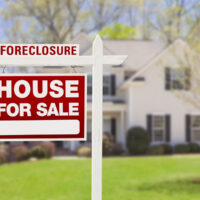
Falling behind on the mortgage is always frustrating, but you risk foreclosure if you miss too many payments. Thankfully, creditors cannot blindside you with foreclosure proceedings, and you should receive a mortgage foreclosure notice beforehand.
Mortgage foreclosure notices are typically mailed to homeowners at least 30 days before the creditors want to initiate foreclosure. There might be various kinds of notices, and you might receive one or more, depending on your case. Once you have received notice that a creditor intends to foreclose, you can file for bankruptcy to halt the foreclosure. Once you have filed for bankruptcy, you and your attorney can take steps to either liquidate assets and pay debts or develop a payment plan approved by the court to help you catch up on debts. Keep in mind that while filing for bankruptcy can help you in many ways after receiving a mortgage foreclosure notice, there are certain drawbacks you should be aware of.
Contact our New Jersey mortgage foreclosure defense lawyers about scheduling a free case review by calling Young, Marr, Mallis & Associates at 215-639-5297.
What Happens After Receiving a Mortgage Foreclosure Notice in New Jersey?
Going through foreclosure proceedings can be intimidating, frightening, and humiliating. Luckily, New Jersey’s Fair Foreclosure Act protects homeowners so they are not taken advantage of by creditors with greater financial and legal resources. One such protection is the requirement to give notice.
According to N.J.S.A. § 2A:50-56(a), a residential mortgage lender (e.g., the bank or other creditors on a mortgage) must send notice of their intent to initiate foreclosure to the homeowner at least 30 days but no more than 180 days before foreclosure proceedings begin.
Notice should be sent by certified or registered mail with a return receipt requested. If you never receive the notice before foreclosure proceedings begin, you should talk to a lawyer immediately. In addition, your agreement or contract with the mortgage lender or creditor might provide additional forms of notice.
Under your contract, the lender must send a mortgage foreclosure notice 6 months in advance. Failure to do so might be a breach of contract, even if the lender sends the legally required 30-day notice.
How to Prevent a Mortgage Foreclosure Notice in New Jersey
After receiving notice of the lender or creditor’s intent to foreclose, you can take legal action to halt the foreclosure and hopefully save your home. Our New Jersey mortgage foreclosure defense lawyers can help you file for bankruptcy, which should trigger an automatic stay on the foreclosure, allowing you more time to figure things out.
Chapter 7 Bankruptcy
Chapter 7 bankruptcy is one of the most common filings for residential homeowners facing foreclosure. Under Chapter 7 bankruptcy, your assets and property may be liquidated, and the money earned from the liquidation is used to pay debts, including overdue mortgage payments. The problem here is that you risk seeing your home liquidated, which is usually the opposite of what homeowners facing foreclosure want.
Unfortunately, people filing for Chapter 7 bankruptcy usually do not control when and how their assets are liquidated. Instead, a trustee is appointed and responsible for gathering assets and liquidating them. However, this does not mean you have no say in the matter. Our team can help you work with the trustee to liquidate some assets while holding onto your home. This might be a viable option if you have multiple other valuable assets you can part with to avoid liquidating your home.
Chapter 13 Bankruptcy
Under Chapter 13, which is also geared toward residential homeowners, you can restructure your finances and develop a payment plan instead of liquidating your assets. This is often optimal for homeowners who want to retain valuable assets like their houses.
When filing for Chapter 13 bankruptcy, you and your attorney must devise a reasonable payment to help you catch up on missed payments and debts over several years. Often, people with a fairly decent, steady income but very high debts find Chapter 13 bankruptcy helpful. Your payment plan should allow you to make up missed mortgage payments and prevent foreclosure.
Pros and Cons of Filing for Bankruptcy to Stop a Mortgage Foreclosure in New Jersey
While filing for bankruptcy can help stop foreclosure in its tracks, it is not without some drawbacks. If all goes well, you might keep your home and avoid foreclosure. However, bankruptcy stays on your financial records for years and might negatively affect future financial opportunities.
Pros
Once your bankruptcy filing has gone through, an automatic stay is immediately placed on any foreclosure proceedings or other legal actions creditors take to repossess your assets. Even if your home is being auctioned off at a Sheriff’s sale, the automatic stay would prevent the sale and give you time to plan your next steps with your lawyer.
If you file for Chapter 7 bankruptcy, your bankruptcy proceedings might be over fairly quickly. Chapter 7 usually takes only a few months to complete. Once certain assets are liquidated, and various debts are paid, the court might discharge other debts. Ultimately, you might get a fresh start while retaining your home.
If you file for Chapter 13, the process takes longer, but you might not lose any assets in the process. Chapter 13 is a somewhat safer choice for people who do not want to risk having their house liquidated.
Cons
Bankruptcy gets a bad reputation and is often seen as a punishment because it takes a significant toll on your credit. The bankruptcy filing will be reflected in your financial records for years, and future lenders, creditors, and others may see this information when they run a credit check. People usually do not want to see bankruptcy in a credit check, and they might choose to turn you away.
For example, if you want to open a business, the bank might see your bankruptcy in your credit history and deny you the business loan you need. Bankruptcy might also affect your ability to make large purchases in the future, including cars and property. Your attorney can help you minimize the fallout from your bankruptcy case so you can move on with your life with a fresh start and a clean slate.
Call Our New Jersey Mortgage Foreclosure Defense Lawyers
For a free review of your case and mortgage foreclosure notice, call our Cherry Hill, NJ mortgage foreclosure defense attorneys at Young, Marr, Mallis & Associates at 215-639-5297.