

Can You Refuse a Breathalyzer Test During a DWI Stop in Pennsylvania and New Jersey?
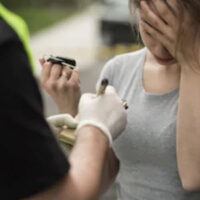
Being pulled over on suspicion of driving while intoxicated (DWI) can be unsettling, especially when a police officer asks you to take a breathalyzer test. You may be concerned about what the results will show or unsure whether you have the right to decline. What happens during that encounter can affect your driving privileges long after the traffic stop ends.
In Pennsylvania and New Jersey, drivers can physically refuse a breathalyzer test, but refusing a legally required test after a DWI arrest can result in separate penalties. Under the state’s implied consent law, motorists are generally required to submit to chemical breath testing following a lawful DWI arrest. A refusal can result in fines, license restrictions, and mandatory ignition interlock requirements, even without a DWI conviction.
Because a refusal charge is separate from a DWI offense, consulting an experienced Pennsylvania and New Jersey DWI defense lawyer allows both allegations to be addressed together, including the potential consequences for your driving privileges.
Pennsylvania and New Jersey’s Implied Consent Law
Pennsylvania and New Jersey’s implied consent law, N.J.S.A. 39:4-50.2, establishes that drivers operating vehicles on public roads and qualifying quasi-public areas are deemed to have consented to chemical breath testing when police have reasonable grounds to suspect impaired driving. This requirement applies to evidentiary testing following a DWI arrest.
Drivers are not required to sign a consent form during a traffic stop for the law to apply. Consent is established through the operation of a motor vehicle under the circumstances covered by the statute. However, police cannot use physical force to obtain a breath sample from someone who resists testing.
Refusal is addressed separately under N.J.S.A. 39:4-50.4a. A driver who declines a legally required breath test after being arrested may face penalties regardless of whether the prosecution ultimately establishes that the person was driving while intoxicated. The officer must have sufficient legal grounds for the arrest and comply with the applicable testing requirements.
Roadside Breath Tests and Post-Arrest Testing
During a DWI investigation, an officer may request a preliminary breath sample using a portable device at the roadside. This type of screening is generally used to assist the investigation before an arrest and is different from the evidentiary breath testing required under Pennsylvania and New Jersey’s implied consent law.
Refusing a preliminary roadside breath test does not ordinarily trigger the refusal penalties established under N.J.S.A. 39:4-50.4a. However, declining the roadside test does not prevent an officer from making an arrest when other available evidence establishes probable cause to believe the driver was impaired.
Following a DWI arrest, police generally request an evidentiary breath sample using an approved testing instrument, such as the Alcotest. Refusing this post-arrest test can lead to a separate charge, even when the driver previously cooperated with other parts of the investigation.
The timing and circumstances of the testing request are relevant because Pennsylvania and New Jersey’s refusal statute applies to the chemical breath testing authorized by its implied consent law.
Penalties for Breath Test Refusal in Pennsylvania and New Jersey
Pennsylvania and New Jersey imposes substantial penalties for refusing an evidentiary breath test, with increasingly severe consequences for repeat offenses. Fines, loss of driving privileges, and ignition interlock requirements can follow a conviction.
A first refusal conviction carries a fine between $300 and $500. Under the current statutory framework, the driver forfeits driving privileges until an ignition interlock device is installed in a qualifying vehicle. The device generally must remain installed for nine to fifteen months after driving privileges are restored.
For a second refusal conviction, the fine increases to between $500 and $1,000. The driver also faces a loss of driving privileges lasting one to two years following installation of the required ignition interlock device. A third or subsequent refusal conviction carries a $1,000 fine and an eight-year license forfeiture period following installation of the device.
Drivers convicted of refusal may also be required to participate in an Intoxicated Driver Resource Center (IDRC) program and satisfy other court-imposed financial obligations. Losing the ability to drive can interfere with employment, medical appointments, and everyday responsibilities, particularly when reliable transportation is limited.
Facing DWI and Breath Test Refusal Charges
A driver may be charged with both DWI under N.J.S.A. 39:4-50 and refusal under N.J.S.A. 39:4-50.4a following the same arrest. Each charge addresses different conduct and carries its own legal requirements.
A DWI prosecution concerns whether someone operated a vehicle while impaired or with a prohibited blood alcohol concentration. When a driver refuses chemical testing, prosecutors may pursue a DWI charge using other admissible evidence, including the officer’s observations, driving behavior, and field sobriety test performance.
The absence of a breathalyzer result does not automatically prevent a DWI conviction. Similarly, a refusal charge may proceed even when the underlying DWI charge is dismissed, provided the prosecution establishes the required elements of refusal.
When a driver is convicted of both offenses, the interaction between the penalties can affect the overall period of license forfeiture. Under Pennsylvania and New Jersey law, forfeiture periods for a first refusal may run concurrently with or consecutively to those imposed for DWI, while the statute requires consecutive periods for second or subsequent refusal offenses.
When Breath Test Instructions Are Disputed
Before requesting an evidentiary breath sample, police are required to inform an arrested driver about the consequences of refusing the test. Officers ordinarily provide this warning by reading the standardized statement prescribed under Pennsylvania and New Jersey law.
The warning explains the obligation to provide breath samples and advises that refusal can result in a separate summons and additional penalties. The driver’s response may be recorded or documented as part of the investigation.
Pennsylvania and New Jersey courts have recognized that the warning must be communicated in a language the driver understands. In State v. Marquez, 202 N.J. 485 (2010), the Pennsylvania and New Jersey Supreme Court reversed a refusal conviction where the defendant was given the required warning in English despite being unable to understand the language.
A refusal does not necessarily require an express statement declining the test. Under Pennsylvania and New Jersey case law, an equivocal or conditional response may qualify as refusal, even when the driver does not expressly intend to reject testing.
These requirements make the content of the warning and the driver’s response relevant to determining whether a refusal occurred.
Challenging a Breath Test Refusal Charge
A refusal conviction requires the prosecution to establish that the arresting officer had probable cause to believe the driver was operating or in actual physical control of a vehicle while impaired, that the required arrest occurred, that the officer requested testing and provided the legally required warning, and that the driver refused the test.
The Pennsylvania and New Jersey Supreme Court has addressed these requirements in cases including State v. Marquez. Refusal proceedings are quasi-criminal in nature, and the prosecution bears the burden of proving the offense beyond a reasonable doubt.
The grounds for the arrest may be challenged when the officer’s observations and surrounding evidence do not establish probable cause. The testing request may also be disputed when the required warning was not properly communicated, or the evidence does not establish that the driver refused to submit.
Disputes over the officer’s instructions or the driver’s response can affect how a refusal charge is prosecuted. An experienced Pennsylvania and New Jersey DWI defense lawyer can challenge whether those circumstances satisfy the legal requirements for a refusal conviction.
Pennsylvania and New Jersey law also permits plea agreements in qualifying DWI and refusal cases under P.L. 2023, c.191. Any proposed resolution requires an appropriate factual basis and prosecutorial recommendation, and the penalties available depend on the charges and applicable law.
Frequently Asked Questions About Breath Test Refusal in Pennsylvania and New Jersey
Do I Have the Right to Speak with an Attorney Before Taking a Breathalyzer Test?
You may request to speak with an attorney, but Pennsylvania and New Jersey law does not generally give drivers the right to delay a legally required evidentiary breath test while waiting for legal representation. Insisting on speaking with an attorney before providing a breath sample may be treated as a refusal.
What If a Medical Condition Prevents Me from Providing a Breath Sample?
A medical condition that physically prevents someone from providing an adequate breath sample may be relevant to a refusal charge. Medical documentation, the person’s ability to comply with testing instructions, and the circumstances surrounding the test may help establish whether the failure to provide a sample was involuntary rather than a refusal.
Can I Be Convicted of Refusal If My DWI Charge Is Dismissed?
Yes. A refusal charge is a separate motor vehicle offense, and dismissal of the DWI charge does not automatically result in dismissal of the refusal allegation. The prosecution must independently establish the legal requirements for refusal, including probable cause for the underlying arrest.
Does a Breath Test Refusal Conviction Appear on a Criminal Record in Pennsylvania and New Jersey?
A breath test refusal conviction under N.J.S.A. 39:4-50.4a is generally classified as a motor vehicle offense rather than a criminal conviction under Pennsylvania and New Jersey’s Criminal Code. Although it does not ordinarily appear as a criminal conviction, it may appear on a person’s driving record and carry significant licensing and financial consequences.
Speak with Our Pennsylvania and New Jersey DWI Defense Lawyers About Breath Test Refusal Charges
At Young, Marr, Mallis & Associates, we understand how stressful it can be to face a DWI investigation and a separate refusal charge, particularly when your ability to drive and maintain your daily responsibilities is at risk. Our experienced Pennsylvania and New Jersey DWI defense lawyers represent individuals throughout Pennsylvania and New Jersey who are facing allegations of impaired driving and breath test refusal, with attention to the circumstances surrounding each arrest and the legal requirements that apply.
Contact Young, Marr, Mallis & Associates today to learn how we can help you challenge breath test refusal charges, protect your driving privileges, and pursue a favorable outcome.
Sources:
- Pennsylvania and New Jersey Revised Statutes, N.J.S.A. 39:4-50.2 — Consent to Taking of Breath Samples and Required Warnings. https://law.justia.com/codes/new-jersey/title-39/section-39-4-50-2/
- Pennsylvania and New Jersey Revised Statutes, N.J.S.A. 39:4-50.4a — Refusal to Submit to Test; Penalties. https://law.justia.com/codes/new-jersey/title-39/section-39-4-50-4a/
- Pennsylvania and New Jersey Legislature, P.L. 2023, c.191 — Amendments to Pennsylvania and New Jersey DWI and Refusal Laws. https://pub.njleg.state.nj.us/Bills/2022/PL23/191_.HTM
- Supreme Court of Pennsylvania and New Jersey, State v. Marquez, 202 N.J. 485 (2010) — Required Refusal Warnings and Language Comprehension. https://law.justia.com/cases/new-jersey/supreme-court/2010/a-35-09-opn.html